
How to Organize Kids’ Clothes
I’ve learned a lot about children’s clothing since becoming a professional organizer. Before that, I hadn’t thought much about it since I was a child myself — choosing a color for each day and laying out my outfits for the entire week. Seriously. You can ask my parents! I’ve been this way for as long as I can remember. I definitely inherited my love of coordination from my mom, but like many kids, I had strong opinions about what I wore long before I could read.
Below you can see a classic monochromatic look from the early 2000s and middle school Haley being very excited over a gifted weekly clothes organizer!
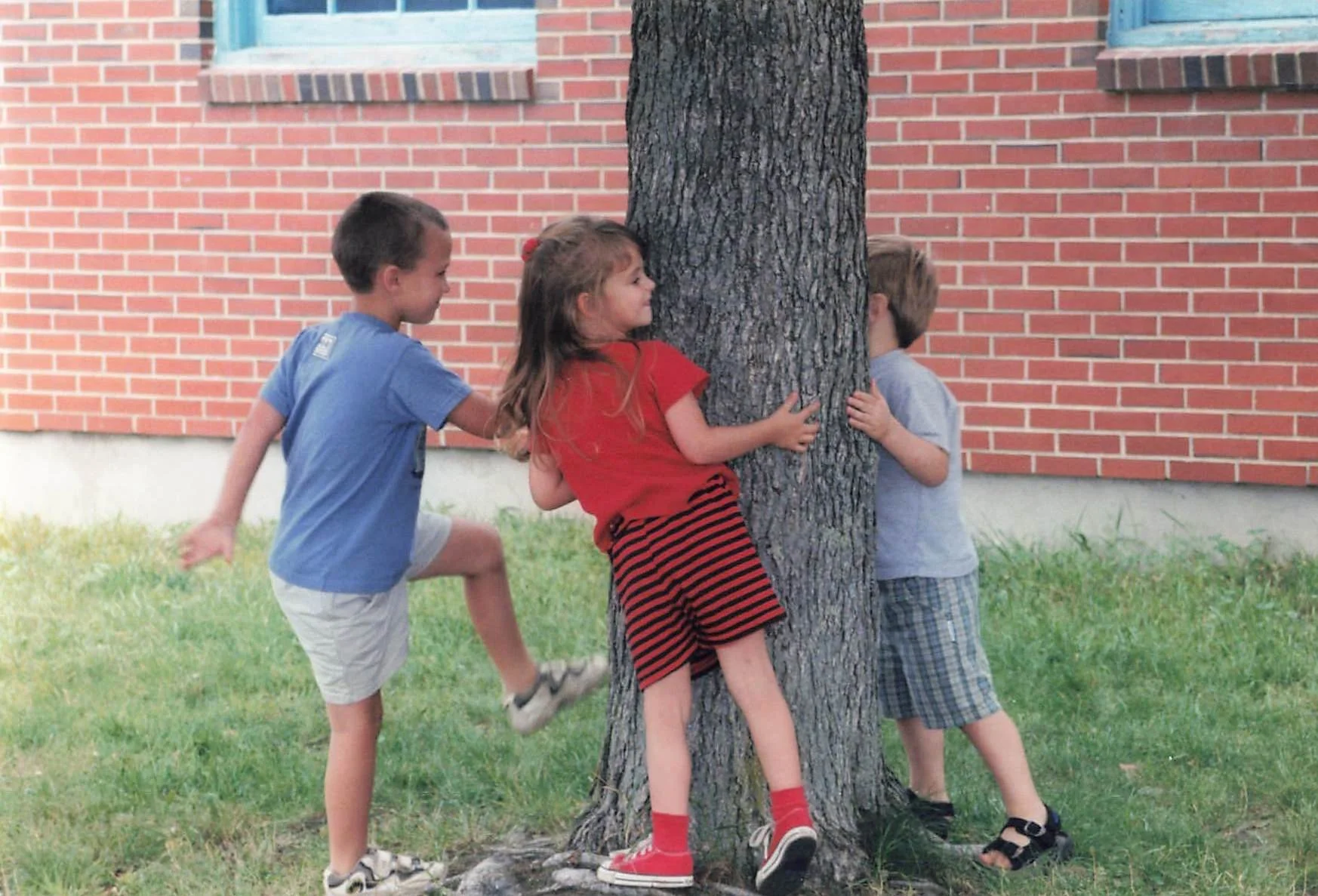
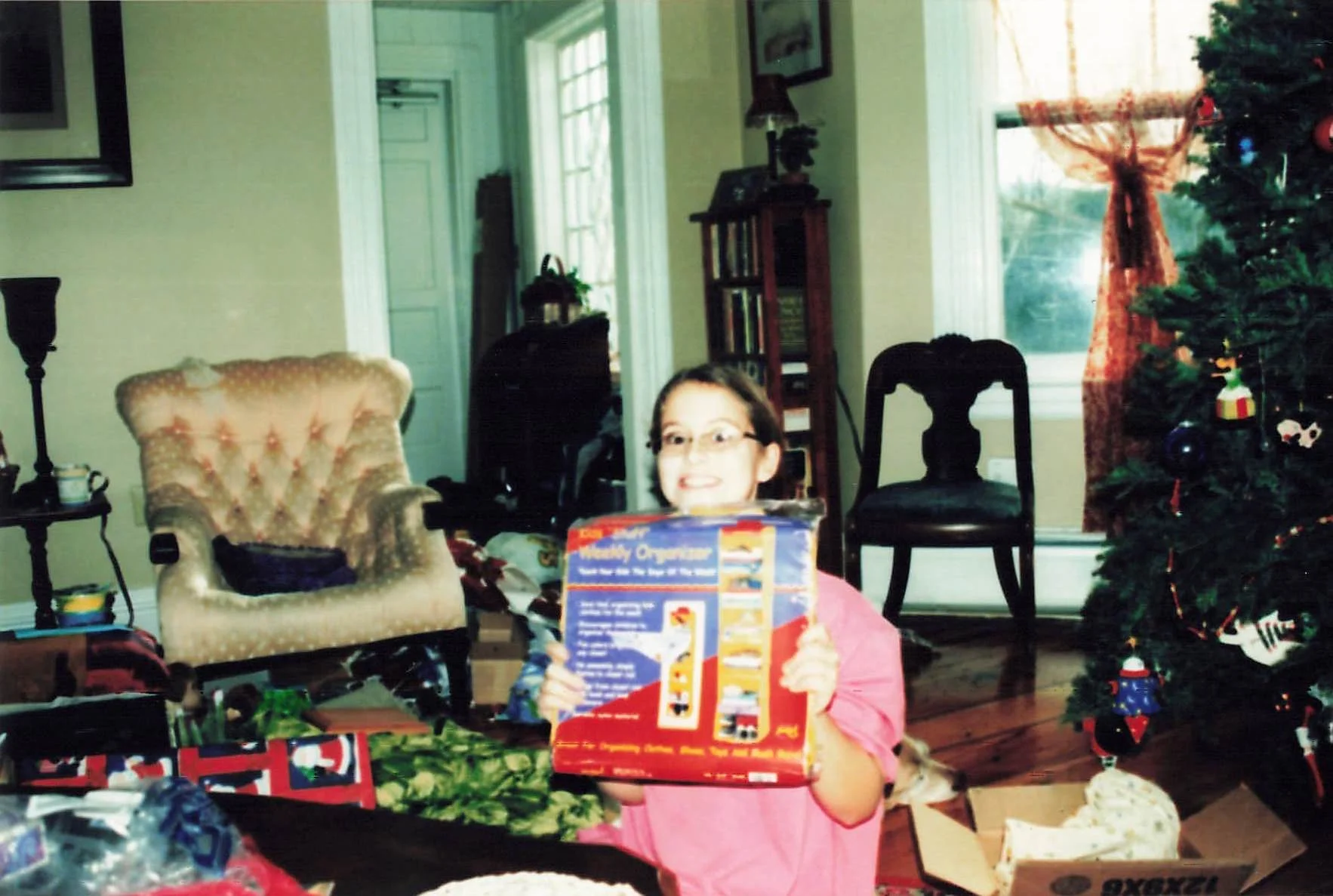
My perspective on organizing kids’ clothing is shaped not only by my experiences working with children ages 0–17 in clients’ homes, but also by my own early sense of independence. We talk often about how an organizing system only works if it’s designed with the user in mind — and that’s especially true for kids. A system for organizing children’s clothing should center the child. Not only does this foster independence and a sense of ownership over their space, but learning how to organize at an early age can also help build valuable lifelong habits.
Here are my ABCs of organizing children's clothing.
Adaptability
If there’s one thing we know about children, it’s that they’re constantly changing. Growing is practically their full-time job! Creating a system that can adapt alongside them makes it much easier for them to stay engaged as they grow.
This might mean choosing storage with adjustable shelving and hanging rods, sticking to neutral or interchangeable bins and decor that can evolve with changing interests, or investing in a closet system designed to grow with the child — like Elfa. We install this system in so many closets because it’s incredibly versatile and easy to reconfigure over time.
Balance
Relationships are built on compromise — including the one between you and your child. Some things are obviously nonnegotiable, like eating ice cream for dinner every night, but when it comes to organizing their space, finding balance is important.
Creating a system together can be challenging. Some of their ideas might seem, frankly, bizarre. But sometimes they need to try storing their shoes on top of their desk for a few weeks before realizing it may not be the best long-term solution. Open a dialogue about what they enjoy about getting dressed, what feels difficult, and what they wish were different.
Even very young children have opinions about organizing. Trust me — I’ve heard them! Let their creativity and whimsy inspire you to think outside the box (or closet).
Comfort
If your child is 3 feet tall, don’t store all their clothing on a shelf that’s 5 feet high. If they hate using hangers, try baskets or drawers instead.
Despite popular belief, mess isn’t inevitable, and children aren’t destined to create chaos. When a system feels comfortable — both physically and mentally — kids are much more likely to use it consistently.
Maybe your child feels better getting dressed when their stuffed animals are stored alongside their socks. There are certainly worse things! Let their needs guide the process.
There’s no single “right” way to organize. Helping children understand that organizing systems are meant to work for them — not the other way around — empowers them to engage more confidently with their space and develop habits that can grow with them for years to come.